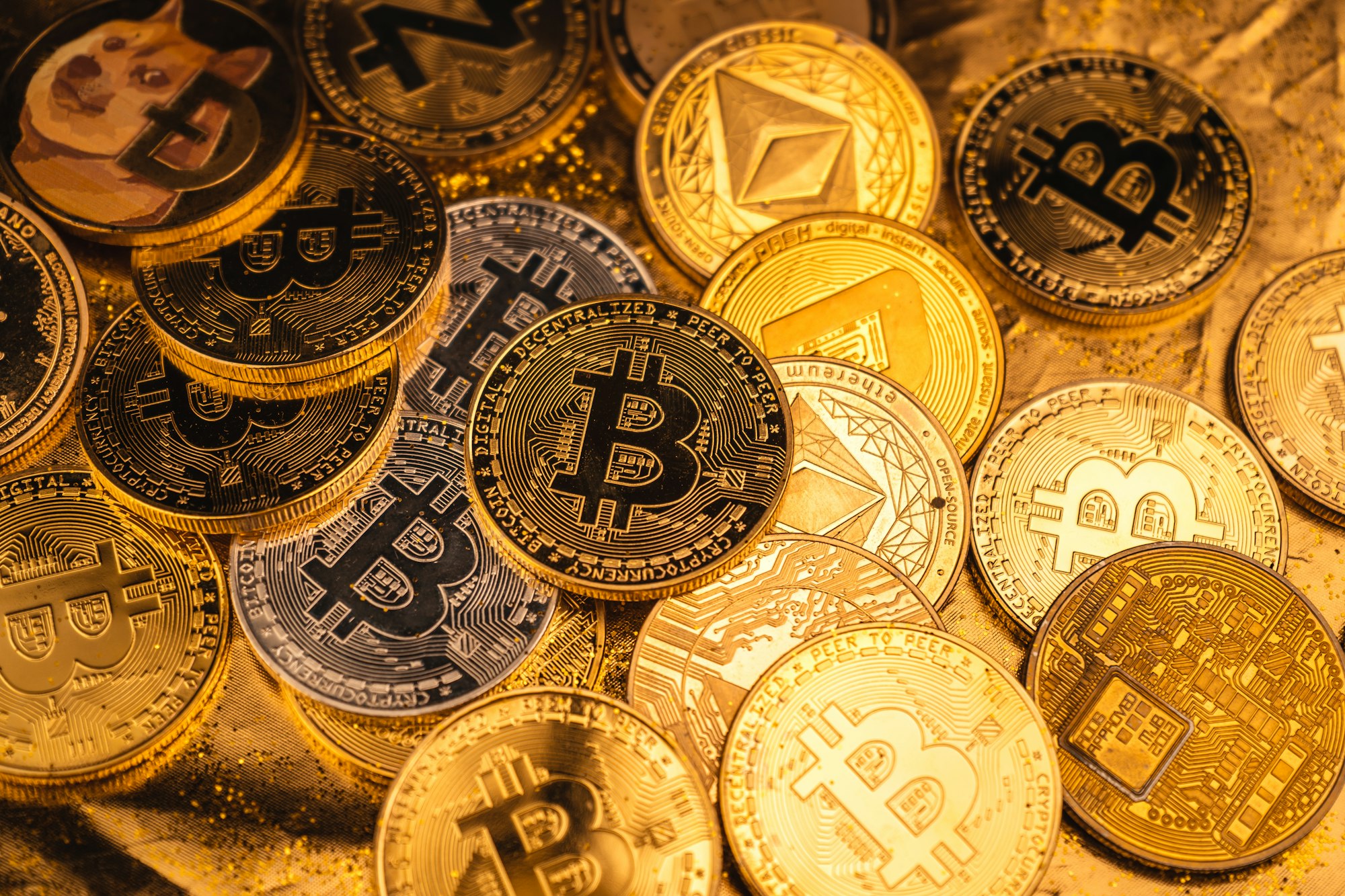
In recent years, both Bitcoin and gold have emerged as prominent investment assets, often compared for their potential to store value and hedge against economic uncertainty. While gold has been a trusted store of wealth for centuries, Bitcoin, as a digital asset, represents a relatively new frontier in investment. Understanding the key differences and similarities between these two can help investors make informed decisions tailored to their financial goals and risk tolerance.
This article explores Bitcoin and gold through various lenses, including historical performance, volatility, liquidity, economic impacts, and regulatory environments. By examining these factors, investors can better evaluate which asset suits their portfolio needs and how each performs under different market conditions.
Understanding Bitcoin and Gold as Investment Assets
Bitcoin is a decentralized digital currency created in 2009 that operates on blockchain technology. Unlike traditional currencies or commodities, Bitcoin is not backed by any physical asset or government, making it a unique form of “digital gold.” It is often praised for its limited supply — capped at 21 million coins — which proponents argue protects it from inflationary pressures common in fiat currencies.
Gold, on the other hand, is a tangible precious metal that has served as a store of value for thousands of years. It is widely recognized for its intrinsic value, scarcity, and physical properties that make it useful in various industries, including electronics and jewelry. Investors typically view gold as a safe haven during times of economic uncertainty and inflation, given its long-standing track record and universal acceptance.
Historical Performance Comparison of Bitcoin and Gold
Historically, gold has demonstrated steady growth over the long term, with periodic spikes during geopolitical tensions or economic crises. Its relatively stable price trajectory has made it a reliable asset for wealth preservation, especially during inflationary periods or stock market downturns.
Bitcoin’s price history is much shorter but characterized by extreme volatility and rapid gains. Since its inception, Bitcoin has experienced multiple boom-and-bust cycles, with significant price surges followed by sharp corrections. Despite this volatility, Bitcoin has delivered impressive returns for early investors, though its future performance remains uncertain due to its novelty and evolving market dynamics.
Volatility and Risk Factors in Bitcoin and Gold Markets
Bitcoin is known for its high volatility, with daily price swings often exceeding 5% or more. This volatility stems from factors such as market speculation, regulatory news, technological developments, and changes in investor sentiment. While high volatility can offer lucrative opportunities, it also exposes investors to significant risk and potential losses.
Gold’s price tends to be much less volatile, influenced primarily by macroeconomic factors, currency fluctuations, and geopolitical events. Its relative stability makes it a preferred choice for conservative investors looking to preserve capital. However, gold prices can still be affected by supply-demand imbalances and shifts in global economic conditions.
Liquidity and Accessibility of Bitcoin Versus Gold
Liquidity refers to how easily an asset can be bought or sold without impacting its price. Bitcoin enjoys high liquidity on numerous cryptocurrency exchanges worldwide, allowing investors to trade 24/7 with relatively low transaction costs. Its digital nature also means it can be transferred instantly across borders.
Gold, while highly liquid, requires physical handling or trusted intermediaries such as dealers and vaults. Buying and selling physical gold involves higher transaction costs, including storage and insurance fees, and it is generally traded during standard market hours. However, gold ETFs and futures contracts have improved gold’s accessibility and liquidity for investors.
Impact of Economic Events on Bitcoin and Gold Prices
Economic events such as inflation, interest rate changes, and geopolitical instability tend to influence gold prices positively, as investors seek safe-haven assets during uncertain times. For example, gold prices often rise during inflationary periods or currency depreciation.
Bitcoin’s reaction to economic events is less predictable. While some investors view Bitcoin as a hedge against inflation and currency devaluation, its price can also be driven by technological adoption, regulatory announcements, and speculative trading. Additionally, Bitcoin sometimes behaves more like a risk asset, correlating with equities during certain market conditions.
Regulatory Environment Influencing Bitcoin and Gold Trading
Gold trading is well-established and regulated globally, with clear guidelines governing ownership, taxation, and trade. Regulatory frameworks provide stability and investor protection, making gold a mainstream investment asset.
Bitcoin operates in a more complex and evolving regulatory landscape. Governments vary widely in their approach, ranging from embracing cryptocurrencies to imposing strict restrictions or outright bans. Regulatory uncertainty can affect Bitcoin’s market liquidity, investor confidence, and price volatility. Moreover, compliance with anti-money laundering (AML) and know-your-customer (KYC) rules is increasingly enforced by exchanges.
Frequently Asked Questions About Bitcoin and Gold
Q1: Which is a better hedge against inflation, Bitcoin or gold?
A1: Gold has a long history as an inflation hedge, while Bitcoin’s role is still evolving. Some investors consider Bitcoin a digital alternative, but its volatility may limit its effectiveness.
Q2: Can I invest in both Bitcoin and gold simultaneously?
A2: Yes, many investors diversify their portfolios by holding both assets to balance risk and potential returns.
Q3: How do storage and security differ between Bitcoin and gold?
A3: Bitcoin requires digital wallets and cybersecurity measures, whereas gold requires physical storage solutions like safes or vaults.
Q4: Are there tax implications for investing in Bitcoin and gold?
A4: Yes, tax treatment varies by jurisdiction, but both assets are often subject to capital gains tax upon sale.
Q5: What is the minimum amount needed to start investing in Bitcoin or gold?
A5: Bitcoin can be purchased in fractions (as low as a few dollars), while gold investment minimums depend on the form (coins, bars, ETFs) and dealer policies.
Conclusion: Choosing Between Bitcoin and Gold Investments
Choosing between Bitcoin and gold ultimately depends on an investor’s risk tolerance, investment horizon, and belief in each asset’s future potential. Gold offers stability, a proven track record, and tangible value, making it suitable for conservative investors seeking long-term wealth preservation. Bitcoin, with its high volatility and growth potential, may appeal more to risk-tolerant investors looking for diversification and exposure to innovative digital assets.
Many financial advisors suggest a balanced approach, incorporating both assets to leverage their unique strengths. By understanding the differences in liquidity, regulatory environment, volatility, and economic sensitivity, investors can better position their portfolios to weather diverse market conditions and achieve their financial objectives.
As the investment landscape continues to evolve, both Bitcoin and gold remain important components of modern portfolios. Careful consideration of their characteristics and market dynamics will help investors navigate the complexities of wealth management in an increasingly digital and uncertain world.