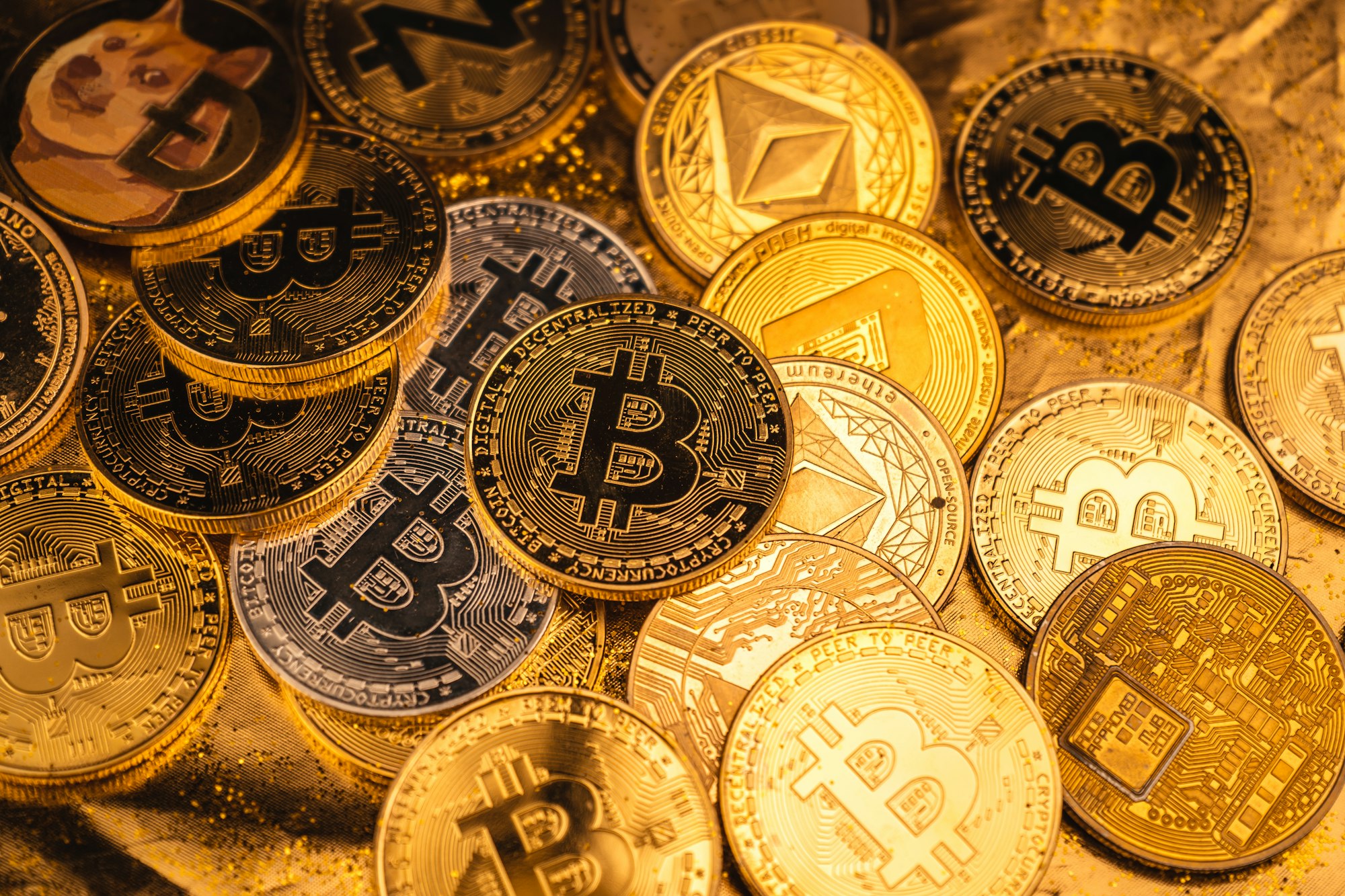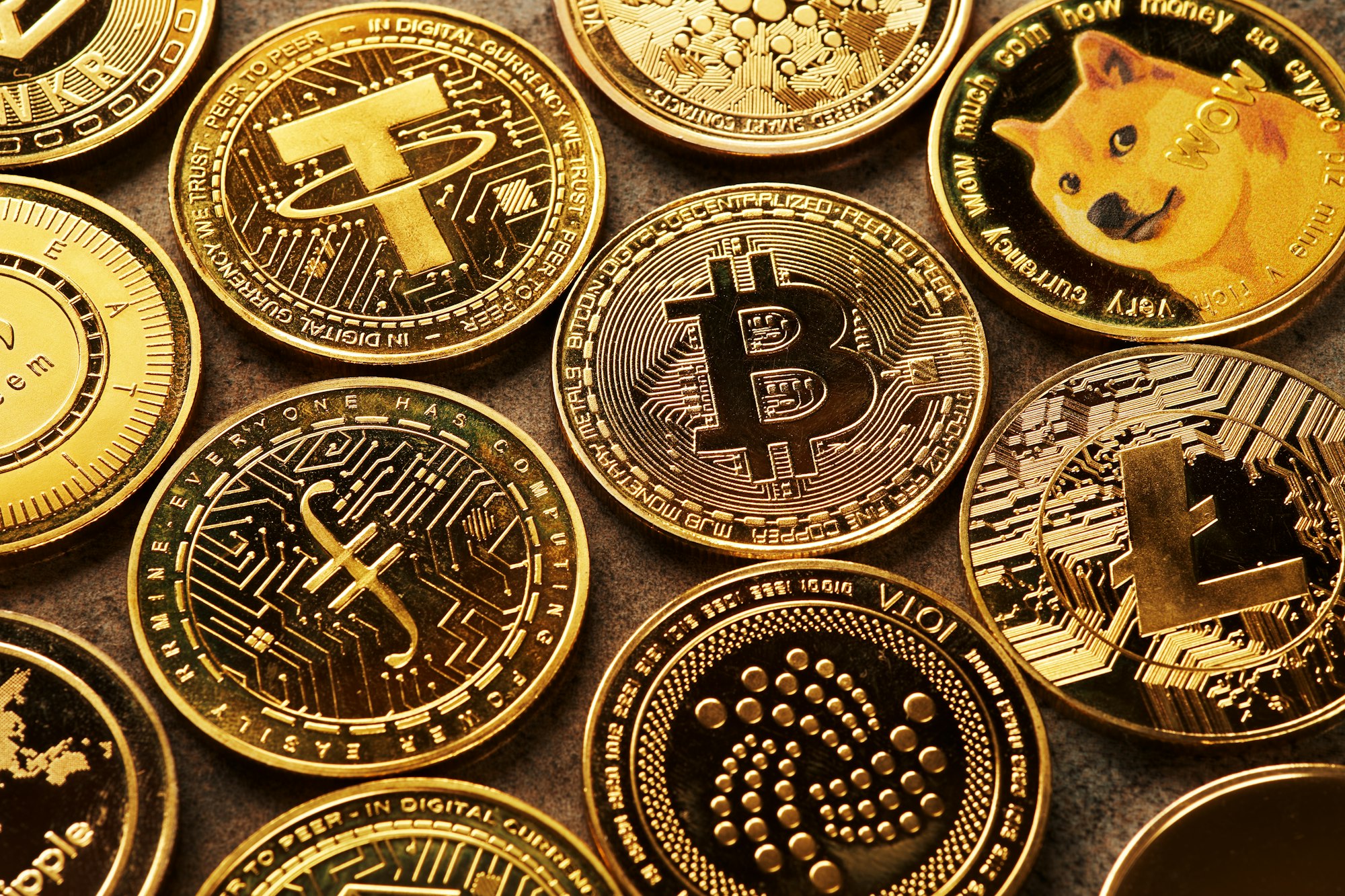

Bitcoin has emerged as one of the most discussed financial innovations of the 21st century. Often referred to as “digital gold,” Bitcoin is increasingly recognized not just as a cryptocurrency but as a potential store of value akin to traditional gold. This article explores Bitcoin’s evolving role in modern finance, comparing it with gold, outlining its benefits and risks, and providing practical guidance for investors interested in this digital asset.
As global markets become more interconnected and digital, the concept of wealth preservation is shifting. Bitcoin’s unique characteristics position it as an alternative to traditional assets, especially in uncertain economic times. Understanding Bitcoin’s role as digital gold is crucial for investors, policymakers, and anyone interested in the future of money and investment.
Understanding Bitcoin’s Role as Digital Gold Today
Bitcoin was originally designed as a decentralized digital currency, but over time, it has gained prominence as a store of value. This transformation is largely due to its fixed supply cap of 21 million coins, which mimics the scarcity of gold. Unlike fiat currencies subject to inflationary pressures, Bitcoin’s limited supply makes it attractive to those seeking to preserve wealth against currency devaluation.
Moreover, Bitcoin’s decentralized nature means it operates independently of traditional banking systems and government control, offering an alternative form of financial sovereignty. This autonomy, combined with its digital accessibility, positions Bitcoin as a modern counterpart to gold in the digital age. It is increasingly being adopted by institutional investors and corporations as part of their treasury management strategies.
Comparing Bitcoin and Traditional Gold Investments
When comparing Bitcoin to gold, several key differences and similarities emerge. Both assets are considered hedges against inflation and economic uncertainty. However, gold has a centuries-long history as a store of value with widespread physical and cultural acceptance, while Bitcoin is a relatively recent innovation still establishing its reputation.
- Liquidity: Bitcoin trades 24/7 on global exchanges, offering higher liquidity compared to gold, which is often traded during market hours and may require physical handling.
- Storage: Gold requires physical storage and insurance, which can be costly and cumbersome. Bitcoin is stored digitally in wallets, eliminating physical storage needs but introducing cybersecurity considerations.
- Volatility: Gold prices tend to be more stable, whereas Bitcoin is known for its higher price volatility, reflecting its nascent market and speculative interest.
The Benefits of Holding Bitcoin as a Store of Value
Holding Bitcoin as a store of value offers several unique advantages. First, its digital nature makes it easily transferable across borders without intermediaries, facilitating global access to wealth preservation. This is particularly valuable in countries facing currency instability or capital controls.
Second, Bitcoin’s transparent blockchain technology ensures a high level of security and auditability. Transactions and ownership can be verified without reliance on centralized authorities, enhancing trust in the asset. Additionally, Bitcoin’s divisibility allows investors to hold very small fractions, making it accessible to a wide range of investors regardless of budget size.
Risks and Volatility Associated with Bitcoin Holdings
Despite its potential, Bitcoin carries notable risks that investors must consider. Price volatility remains a significant concern, with Bitcoin’s value subject to rapid fluctuations influenced by market sentiment, regulatory news, and technological developments. This volatility can result in substantial gains but also steep losses.
Other risks include regulatory uncertainty as governments worldwide continue to evaluate how to classify and regulate cryptocurrencies. Security risks such as hacking, loss of private keys, and fraud also pose threats to Bitcoin holders. Furthermore, Bitcoin’s relatively short track record compared to gold means its long-term behavior as a store of value is still being tested.
How Bitcoin Influences the Future of Digital Assets
Bitcoin’s rise has catalyzed the broader digital asset ecosystem, inspiring innovations such as decentralized finance (DeFi), non-fungible tokens (NFTs), and central bank digital currencies (CBDCs). Its success demonstrates the viability of blockchain technology as a foundation for new financial instruments and systems.
As digital assets mature, Bitcoin is likely to remain a benchmark and anchor for the market, much like gold’s role in traditional finance. It sets standards for security, scarcity, and decentralization that other digital assets strive to emulate. The ongoing integration of Bitcoin into institutional portfolios and payment systems signals its growing influence in shaping the future financial landscape.
Practical Tips for Investing in Bitcoin as Digital Gold
For those considering Bitcoin as a store of value, several practical tips can help manage risk and optimize investment outcomes:
- Diversify: Avoid allocating your entire portfolio to Bitcoin. Balance it with other assets to mitigate volatility.
- Secure Storage: Use reputable hardware wallets or trusted custodial services to protect private keys.
- Stay Informed: Keep up with regulatory changes and market developments that could impact Bitcoin’s value.
- Long-Term Perspective: Treat Bitcoin as a long-term investment rather than a short-term speculative asset.
- Dollar-Cost Averaging: Invest fixed amounts regularly to reduce the impact of price volatility.
Frequently Asked Questions About Bitcoin as Digital Gold
Q1: Why is Bitcoin called digital gold?
A1: Bitcoin is called digital gold because, like gold, it has a limited supply and is viewed as a store of value, especially during times of economic uncertainty.
Q2: Is Bitcoin a safer investment than gold?
A2: Bitcoin offers unique benefits like easy transferability but is generally more volatile and riskier than gold, which has a long-established track record as a safe-haven asset.
Q3: Can Bitcoin replace gold entirely?
A3: While Bitcoin shares many qualities with gold, it is unlikely to replace gold entirely due to differences in history, physicality, and market acceptance. They may coexist as complementary stores of value.
Q4: How can I securely hold Bitcoin?
A4: Bitcoin can be securely stored in hardware wallets, cold storage solutions, or through trusted custodial services that offer insurance and security features.
Q5: What factors influence Bitcoin’s price volatility?
A5: Price volatility is influenced by market speculation, regulatory news, technological changes, macroeconomic trends, and overall adoption rates.
Conclusion: Evaluating Bitcoin’s Position in Modern Finance
Bitcoin’s emergence as digital gold represents a significant shift in how value is stored and transferred in the modern economy. While it shares many characteristics with traditional gold, it also introduces new dynamics through its digital, decentralized nature. As adoption grows, Bitcoin is carving out a distinct role in diversified investment portfolios and global finance.
However, investors should approach Bitcoin with an understanding of its risks and the evolving regulatory landscape. Its long-term success as digital gold will depend on continued innovation, market acceptance, and resilience to volatility. Ultimately, Bitcoin complements rather than replaces traditional assets, expanding the toolkit available for wealth preservation in an increasingly digital world.