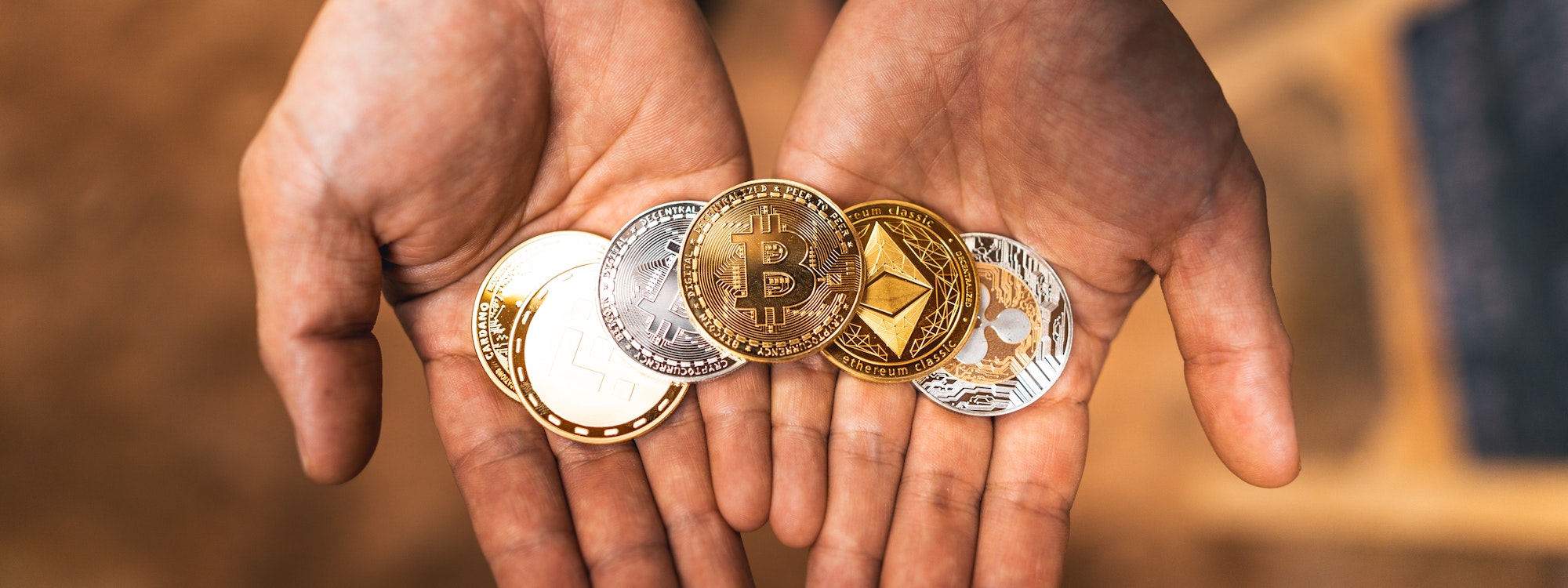
In recent years, Bitcoin has emerged as a prominent digital asset, often referred to as “digital gold.” This reputation stems largely from its potential role as a store of value—a concept traditionally associated with assets like gold and real estate. Understanding Bitcoin’s place in this context is crucial for investors, economists, and technology enthusiasts alike. This article aims to explore Bitcoin’s viability as a store of value by examining its characteristics, historical performance, risks, and practical considerations.
As the financial landscape evolves, many are curious about whether Bitcoin can provide a reliable means to preserve wealth over time. By breaking down the concept of store of value and comparing Bitcoin to conventional assets, this article provides a comprehensive overview to help readers make informed decisions about Bitcoin’s role in their portfolios.
Understanding Bitcoin as a Store of Value Concept
A store of value is an asset that maintains its worth over time without depreciating significantly. Traditional stores of value, like gold and real estate, have historically preserved purchasing power despite economic fluctuations and inflation. Bitcoin is increasingly being viewed through this lens because it offers unique attributes, such as decentralization and scarcity, which could help maintain its value over the long term.
Unlike traditional currencies that can be printed in unlimited quantities, Bitcoin’s supply is capped at 21 million coins, making it inherently scarce. This scarcity, combined with its digital and borderless nature, positions Bitcoin as a potential alternative to conventional stores of value. However, its relatively short history and price volatility require careful consideration when evaluating its effectiveness in this role.
Historical Performance of Bitcoin Compared to Gold
Bitcoin’s price history, though brief compared to gold, has been marked by significant growth and volatility. Since its inception in 2009, Bitcoin has experienced rapid appreciation, particularly notable during bull markets. This rapid growth has attracted investors seeking outsized returns, but it has also introduced sharp price corrections that challenge its stability as a store of value.
In contrast, gold has maintained a relatively stable value over centuries, acting as a hedge against inflation and economic uncertainty. While gold’s growth is slower, its price movements tend to be less volatile. Comparing the two:
- Bitcoin: High volatility, rapid growth, digital scarcity
- Gold: Low volatility, steady growth, physical scarcity
This juxtaposition highlights that Bitcoin’s store of value proposition is still evolving and may appeal to different types of investors.
Key Characteristics That Make Bitcoin Valuable
Several features contribute to Bitcoin’s perceived value and potential as a store of value:
- Scarcity: Limited supply of 21 million coins ensures no inflationary dilution.
- Decentralization: No central authority controls Bitcoin, reducing risks of manipulation.
- Portability: Easily transferable across borders without intermediaries.
- Durability: Digital nature makes it immune to physical degradation.
- Divisibility: Can be divided into very small units (satoshis), facilitating microtransactions.
These attributes collectively create a unique asset profile that differs from traditional stores of value, potentially appealing to modern investors seeking digital alternatives.
Risks and Limitations of Bitcoin as a Store of Value
Despite its strengths, Bitcoin carries notable risks and limitations. Price volatility remains the most significant challenge, as rapid fluctuations can erode purchasing power in the short term. Regulatory uncertainties also pose potential threats, as governments worldwide are still defining their stance on cryptocurrencies.
Other risks include:
- Security concerns: Risks of hacking, loss of private keys, and scams.
- Technological risks: Potential bugs or vulnerabilities in the underlying protocol.
- Market liquidity: While improving, liquidity can vary depending on exchanges and regions.
These factors mean that Bitcoin may not yet serve as a stable store of value for all investors and should be considered with caution.
How Bitcoin’s Supply Mechanism Supports Its Value
Bitcoin’s supply mechanism is coded into its protocol, making it predictable and transparent. The total supply is capped at 21 million coins, with new bitcoins introduced through a process called mining. This mining reward halves approximately every four years in an event known as the “halving,” which reduces the rate of new supply entering the market.
This predictable scarcity helps support value in several ways:
- Inflation resistance: Unlike fiat currencies, Bitcoin cannot be devalued by increasing supply.
- Supply shock potential: Halvings create supply shocks that historically have led to price increases.
- Transparent issuance: All supply data is publicly verifiable on the blockchain.
This contrasts with traditional currencies, where central banks control supply and can cause inflation through monetary policy.
Practical Considerations for Using Bitcoin as Savings
Using Bitcoin as a form of savings requires practical understanding and risk management. Investors should consider secure storage solutions, such as hardware wallets or reputable custodians, to protect their assets from theft or loss. Additionally, understanding the tax implications of holding and selling Bitcoin is essential, as regulations vary by jurisdiction.
Some practical tips include:
- Diversify holdings: Avoid putting all savings into Bitcoin alone.
- Regularly update security practices: Keep wallets and software up to date.
- Be prepared for volatility: Only allocate funds that can tolerate price swings.
- Long-term perspective: Viewing Bitcoin as a multi-year investment can help ride out short-term fluctuations.
These considerations can improve the experience of using Bitcoin as a store of value while mitigating common pitfalls.
Frequently Asked Questions About Bitcoin’s Value
Q1: Is Bitcoin a safer store of value than gold?
A1: Safety depends on perspective. Gold has centuries of proven stability, while Bitcoin offers digital scarcity but with higher volatility and regulatory uncertainty.
Q2: Can Bitcoin’s price volatility undermine its store of value function?
A2: Yes, short-term volatility can impact purchasing power, but some investors believe long-term appreciation offsets these fluctuations.
Q3: How does Bitcoin’s limited supply affect its value?
A3: Limited supply creates scarcity, which can increase value if demand grows, similar to precious metals.
Q4: What are the risks of holding Bitcoin as savings?
A4: Risks include hacking, loss of private keys, regulatory changes, and market volatility.
Q5: Can Bitcoin replace traditional currencies as a store of value?
A5: It may complement but not necessarily replace traditional currencies, as it serves different purposes and appeals to different investor profiles.
Conclusion: Evaluating Bitcoin’s Role as a Store of Value
Bitcoin presents a novel approach to storing value, combining digital innovation with scarcity and decentralization. While it offers significant advantages over traditional assets, including ease of transfer and transparent issuance, it remains subject to high volatility and regulatory uncertainty. For some investors, especially those willing to accept risk and embrace new technology, Bitcoin can serve as a valuable component in a diversified portfolio.
Ultimately, Bitcoin’s role as a store of value is still maturing. Its long-term success will depend on broader adoption, regulatory clarity, and its ability to maintain scarcity while achieving greater price stability. As with any investment, careful evaluation and risk management are essential before committing to Bitcoin as a store of value.
Bitcoin’s journey as a store of value is a dynamic and evolving story. While it offers promising features that challenge traditional concepts of wealth preservation, it is not without challenges that require careful navigation. By understanding its fundamentals, risks, and practical applications, individuals can better assess whether Bitcoin fits their financial goals and risk tolerance in the quest to safeguard their wealth in an increasingly digital world.