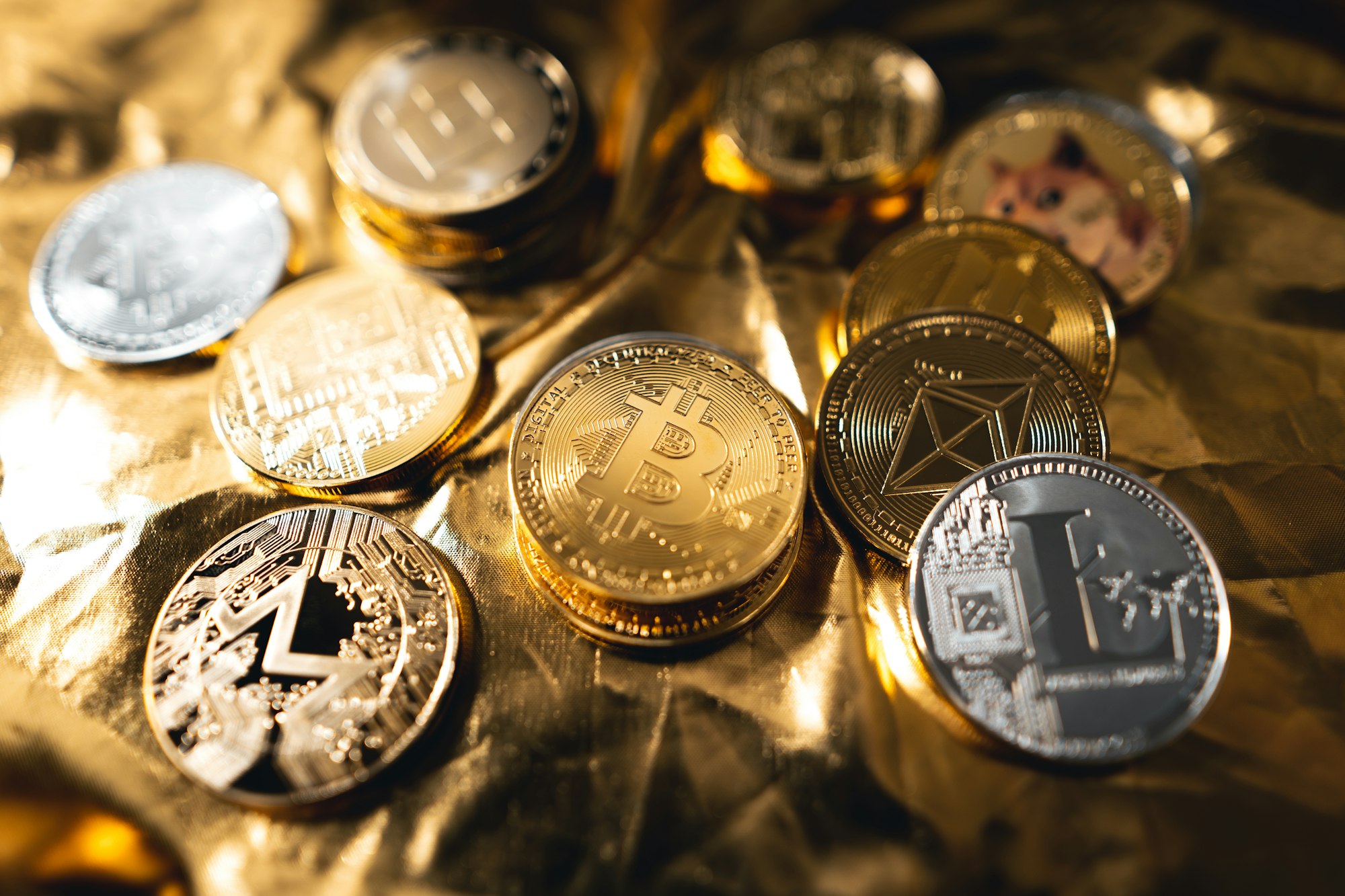
Ripple XRP is a digital asset designed to move money quickly and efficiently across borders. Unlike many cryptocurrencies created to replace traditional finance, XRP was built to improve it. The Ripple network focuses on making international payments faster, cheaper, and more reliable for banks, payment providers, and financial institutions. Over the years, XRP has become one of the most discussed cryptocurrencies due to its unique purpose, enterprise partnerships, and role in global money transfers.
Understanding what Ripple XRP is requires looking at how it works, what problems it aims to solve, and how it differs from other digital assets.
1. What Ripple XRP Is at Its Core
Ripple is the company that develops payment technologies for financial institutions, while XRP is the digital asset that operates on the XRP Ledger. The XRP Ledger is a decentralized blockchain designed specifically for fast and low-cost value transfers.
XRP functions as a bridge currency. Instead of banks holding multiple foreign currencies to process international transactions, they can use XRP to convert one currency to another instantly. This reduces the need for pre-funded accounts and simplifies global liquidity.
Unlike many cryptocurrencies, XRP was created with a clear use case in financial infrastructure rather than as a general-purpose digital currency.
2. How the XRP Ledger Works
The XRP Ledger processes transactions using a consensus mechanism rather than traditional mining. Network validators agree on the order and validity of transactions in seconds, allowing the system to settle payments almost instantly.
Transactions on the XRP Ledger typically finalize in three to five seconds and cost only a fraction of a cent. This speed and efficiency make it suitable for high-volume financial operations.
Because there is no mining, the network consumes far less energy than proof-of-work blockchains, contributing to its appeal among institutions focused on sustainability.
3. Why Ripple XRP Was Created
Ripple XRP was designed to address the inefficiencies of the global banking system. International payments often rely on outdated infrastructure, leading to slow processing times, high fees, and limited transparency.
By using XRP as a neutral bridge asset, financial institutions can move money across borders without relying on correspondent banking networks. This enables faster settlement, lower operational costs, and better tracking of transactions from sender to recipient.
The goal was not to replace banks, but to modernize how they exchange value worldwide.
4. What Ripple XRP Is Used For
XRP is primarily used for cross-border payments and liquidity management. Financial institutions can use it to settle international transfers in real time, eliminating the need to hold large reserves of foreign currencies.
Payment providers also use XRP to offer faster remittances to individuals and businesses. In regions where traditional banking is slow or expensive, XRP-based systems can improve access to affordable international money transfers.
While XRP can be held and traded by individuals, its core function remains focused on enterprise-grade financial infrastructure.
5. How Ripple XRP Differs From Bitcoin and Ethereum
Ripple XRP differs significantly from cryptocurrencies like Bitcoin and Ethereum. Bitcoin was created as a decentralized alternative to traditional money, while Ethereum focuses on smart contracts and decentralized applications.
XRP, by contrast, is optimized for payments. It prioritizes speed, cost efficiency, and scalability over programmability. Transactions settle in seconds rather than minutes or hours, and fees remain consistently low.
Another key difference is governance. While the XRP Ledger is decentralized, Ripple plays an active role in developing and promoting its ecosystem, particularly within the financial industry.
6. Benefits of Using Ripple XRP
One of the main benefits of XRP is transaction speed. International transfers that can take days through traditional banking systems are completed in seconds.
Cost efficiency is another advantage. XRP transactions incur minimal fees, making it attractive for high-volume and low-margin payment services.
Scalability also sets XRP apart. The network can process thousands of transactions per second, supporting large-scale financial operations without congestion.
7. Challenges and Controversies Surrounding XRP
Despite its strengths, XRP has faced challenges. Regulatory uncertainty has been one of the most significant issues, particularly regarding how XRP is classified under financial laws in different countries.
There have also been debates about decentralization, as Ripple holds a large portion of the total XRP supply and plays a major role in ecosystem development. Critics argue this creates centralization concerns, while supporters point to the network’s performance and real-world adoption.
Market volatility is another factor, as XRP’s price can fluctuate based on legal developments, partnerships, and broader cryptocurrency trends.
FAQs About Topic
What is Ripple XRP in simple terms?
Ripple XRP is a digital asset used to move money quickly and cheaply across borders, mainly for banks and payment providers.
Is Ripple the same as XRP?
No. Ripple is the company that builds payment solutions, while XRP is the digital asset that runs on the XRP Ledger.
What is XRP mainly used for?
XRP is mainly used for cross-border payments, liquidity management, and fast settlement between different currencies.
Can individuals use XRP?
Yes, individuals can buy, hold, and transfer XRP, but its primary design is for institutional and enterprise payments.
Is Ripple XRP secure?
The XRP Ledger is highly secure and has processed transactions reliably for years. Users must still protect their wallets and private keys.
Conclusion of What Is Ripple XRP
Ripple XRP represents a different vision for cryptocurrency, one focused on improving the global financial system rather than replacing it. By enabling fast, low-cost, and scalable cross-border payments, XRP addresses real-world problems faced by banks, businesses, and payment providers.
Understanding what Ripple XRP is reveals why it remains one of the most significant digital assets in the payments industry. As financial technology continues to evolve, XRP stands out as a bridge between traditional finance and the future of digital money.