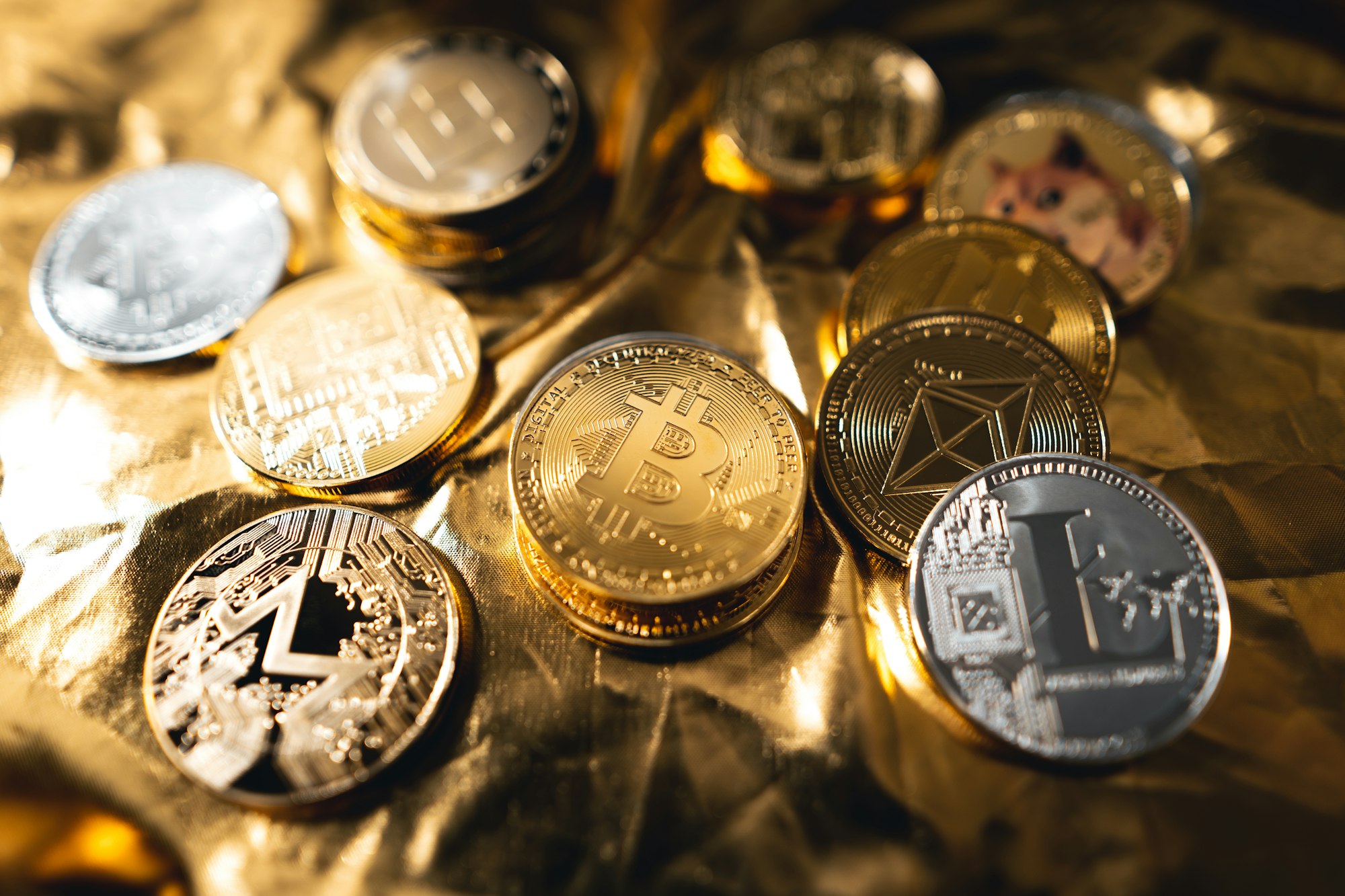
Decentralized exchanges (DEXs) have emerged as a transformative force in the world of cryptocurrency trading, offering an alternative to traditional centralized platforms. By leveraging blockchain technology, DEXs enable peer-to-peer trading without the need for intermediaries, promising increased security, transparency, and user control. This article explores what decentralized exchanges are, how they operate, their benefits and challenges, and their potential future developments.
Understanding decentralized exchanges is crucial for anyone interested in the evolving landscape of digital asset trading. As the crypto ecosystem grows, DEXs continue to gain traction among users seeking more autonomy and privacy. This article provides a comprehensive overview to help readers grasp the fundamental concepts and implications of decentralized trading platforms.
Introduction to Decentralized Exchanges and Their Purpose
Decentralized exchanges are platforms that facilitate the trading of cryptocurrencies directly between users without relying on a central authority or intermediary. Unlike centralized exchanges, which hold users’ funds and execute trades on their behalf, DEXs operate using smart contracts on blockchain networks, allowing users to maintain control over their assets throughout the trading process. The primary purpose of DEXs is to create a trustless environment where transactions are transparent, secure, and censorship-resistant.
The rise of decentralized exchanges is closely linked to the broader ethos of decentralization in blockchain technology, which emphasizes user sovereignty and transparency. DEXs aim to address issues commonly associated with centralized exchanges, such as hacking risks, regulatory pressures, and restricted access. By enabling peer-to-peer trading, decentralized exchanges empower users to trade freely and securely, often with lower fees and increased privacy.
How Decentralized Exchanges Differ from Centralized Ones
Centralized exchanges (CEXs) act as intermediaries that manage order books, custody users’ funds, and facilitate trade matching. In contrast, decentralized exchanges use smart contracts to automate the trading process directly on the blockchain, eliminating the need for a middleman. This fundamental difference means that on a DEX, users retain ownership of their private keys and funds, reducing counterparty risk.
Another key difference lies in the operational model and user experience. Centralized exchanges typically offer faster transaction speeds, higher liquidity, and customer support services, making them more user-friendly for beginners. Decentralized exchanges, while offering enhanced security and privacy, may have slower transaction times due to blockchain confirmation processes and can be more complex to navigate for new users.
Key Components and Technology Behind Decentralized Exchanges
At the core of decentralized exchanges are smart contracts — self-executing contracts with the terms of the trade directly written into code. These smart contracts handle the entire trade lifecycle, from order matching to settlement, ensuring that trades are executed only when predefined conditions are met. This automation removes the need for a trusted third party and reduces the risk of fraud.
Another important component is the blockchain itself, which acts as a transparent and immutable ledger for recording all transactions. Many DEXs operate on popular blockchain networks such as Ethereum, Binance Smart Chain, or Solana. Additionally, decentralized exchanges often utilize liquidity pools and automated market makers (AMMs) to facilitate trading without traditional order books, allowing users to trade assets based on algorithmically determined prices.
Advantages of Using Decentralized Exchanges for Trading
Decentralized exchanges offer several notable advantages, including enhanced security since users maintain custody of their funds, reducing the risk of hacks associated with centralized exchanges. They also provide greater privacy by not requiring extensive personal information or Know Your Customer (KYC) verification processes.
Additional benefits include:
- Censorship resistance: Trades cannot be easily blocked or controlled by any single authority.
- Global accessibility: Anyone with an internet connection and compatible wallet can participate in trading without restrictions.
- Lower fees: Many DEXs have lower transaction costs due to the absence of intermediaries.
These features make decentralized exchanges attractive to users who prioritize control, privacy, and a more open trading environment.
Common Challenges and Limitations of Decentralized Exchanges
Despite their advantages, decentralized exchanges face several challenges that can limit their adoption. One major issue is liquidity; since DEXs rely on users to provide liquidity through pools, some trading pairs may suffer from low liquidity, resulting in higher slippage and less efficient price discovery. This can make trading less attractive compared to centralized platforms with deep order books.
Other limitations include slower transaction speeds and higher network fees during peak blockchain usage, which can impact user experience. Additionally, the complexity of using DEXs, such as managing wallets and understanding smart contract interactions, can be a barrier for newcomers. Security vulnerabilities in smart contracts and the risk of impermanent loss in liquidity provision are also concerns that users must consider.
Future Trends and Developments in Decentralized Exchanges
The future of decentralized exchanges is promising, with ongoing innovations aimed at addressing current limitations. Layer 2 scaling solutions and alternative blockchains are being integrated to improve transaction speed and reduce fees. Furthermore, hybrid models that combine elements of centralized and decentralized exchanges are emerging to offer better liquidity and user experience without compromising on security.
Other anticipated developments include enhanced cross-chain interoperability, allowing users to trade assets across different blockchains seamlessly, and improvements in user interfaces to make DEXs more accessible to mainstream users. The integration of decentralized finance (DeFi) protocols with exchanges is also expected to create more sophisticated financial products and services, expanding the utility of DEXs.
Frequently Asked Questions About Decentralized Exchanges
Q1: Are decentralized exchanges safe to use?
A1: Generally, DEXs are considered safer in terms of fund custody because users retain control over their private keys. However, smart contract bugs and phishing attacks remain risks, so users should exercise caution.
Q2: How do decentralized exchanges make money?
A2: Most DEXs earn revenue through small trading fees charged on each transaction. These fees often go to liquidity providers or platform developers.
Q3: Can I use a decentralized exchange without a crypto wallet?
A3: No, a compatible crypto wallet is required to interact with most DEXs since users must connect their wallet to trade and manage assets.
Q4: What is an Automated Market Maker (AMM)?
A4: An AMM is a protocol used by many DEXs that sets asset prices algorithmically using liquidity pools instead of traditional order books.
Q5: Are decentralized exchanges regulated?
A5: DEXs typically operate in a decentralized manner without direct regulation, but this landscape is evolving as governments explore ways to regulate decentralized finance platforms.
Conclusion: Understanding the Role of Decentralized Exchanges
Decentralized exchanges represent a significant shift in how digital assets are traded, emphasizing user control, transparency, and security. By removing intermediaries, DEXs align with the foundational principles of blockchain technology and offer a more open and censorship-resistant trading environment.
While challenges remain in terms of liquidity, usability, and scalability, ongoing technological advancements continue to enhance the viability of decentralized exchanges. As the crypto ecosystem matures, DEXs are poised to play an increasingly important role in the future of financial markets and digital asset trading.
Decentralized exchanges are reshaping the cryptocurrency trading landscape by empowering users with greater control and security. Understanding their mechanisms, benefits, and challenges is essential for anyone engaging with digital assets today. As innovation drives improvements in usability and scalability, decentralized exchanges are likely to become more mainstream, offering a compelling alternative to traditional centralized platforms.