
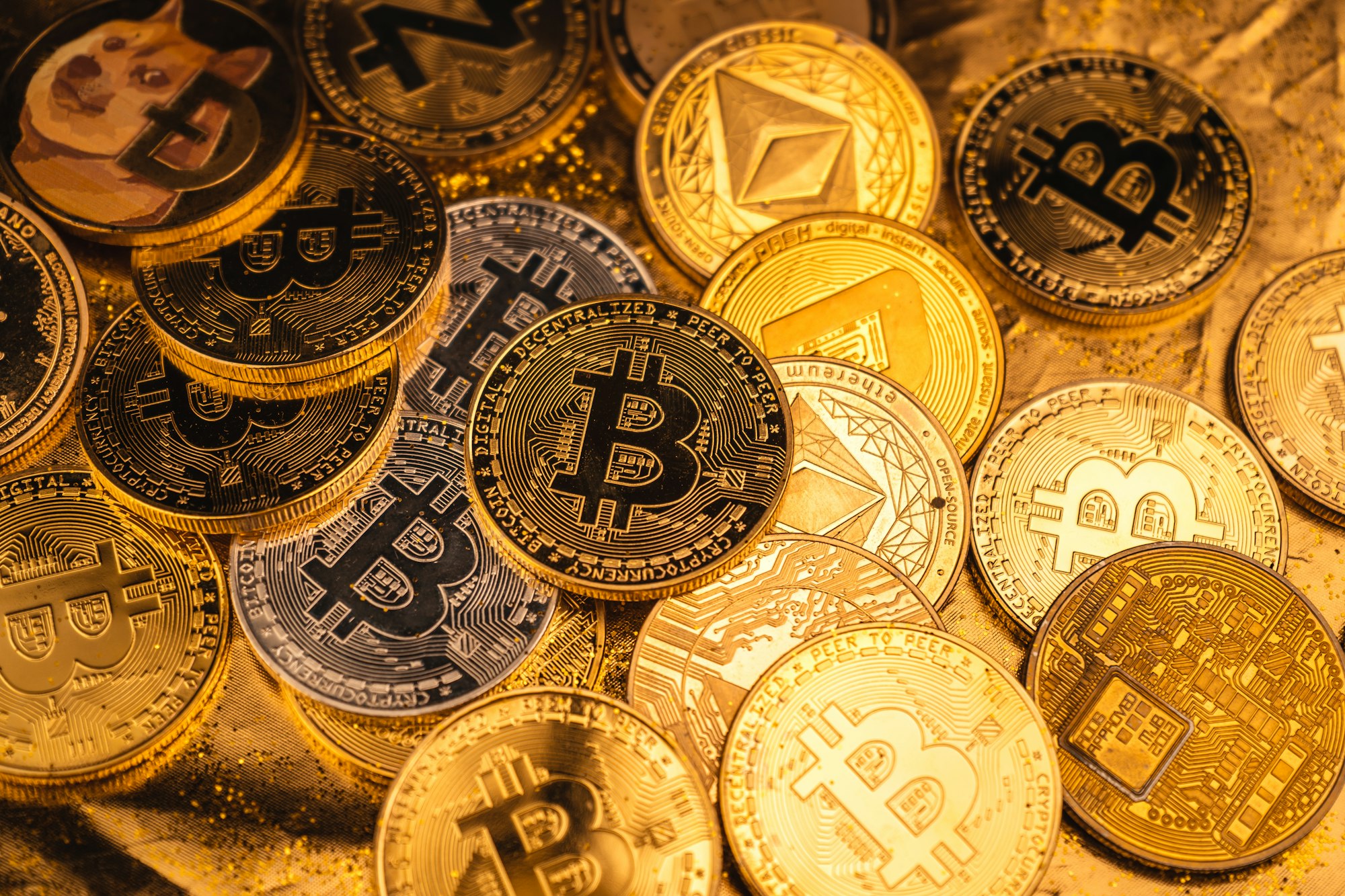
Bitcoin, as the pioneering cryptocurrency, has revolutionized how people think about money and transactions. However, one persistent concern among users is the often high transaction fees associated with sending Bitcoin. These fees can sometimes be a barrier for small or frequent transactions and have sparked debates about scalability and network efficiency. Understanding why Bitcoin fees fluctuate and what drives them is essential for anyone involved in the crypto ecosystem.
This article delves into the multiple factors behind high Bitcoin fees, from technical limitations to market dynamics. By exploring the purpose of fees, network congestion, block size constraints, transaction complexity, and recent developments, readers will gain a comprehensive understanding of the fee structures. Additionally, a comparison with other cryptocurrencies and a FAQ section will provide clarity on common queries related to Bitcoin fees.
Understanding Bitcoin Transaction Fees and Their Purpose
Bitcoin transaction fees serve as incentives for miners to include transactions in the blockchain. When a user sends Bitcoin, they attach a fee to their transaction, which miners prioritize based on the fee amount. These fees are crucial because they compensate miners for the computational power and electricity used to validate and secure the network.
Beyond miner compensation, fees also help regulate network usage. Since the Bitcoin blockchain has limited space for transactions in each block, fees act as a market-driven mechanism to allocate this scarce resource efficiently. Users willing to pay higher fees get their transactions confirmed faster, while those paying lower fees may experience delays.
How Network Congestion Influences Bitcoin Fee Rates
Network congestion occurs when there are more transactions waiting to be confirmed than the space available in the next block. During periods of high demand, such as market surges or major news events, the mempool (the pool of unconfirmed transactions) grows, causing competition among users to get their transactions processed quickly.
This competition forces users to increase their transaction fees to outbid others, leading to a rise in average fees. As congestion persists, the fee market becomes more volatile, with fees sometimes reaching exorbitant levels. Conversely, when network activity is low, fees typically decrease, reflecting the reduced demand for block space.
- High demand = higher fees
- Low demand = lower fees
- Peak congestion can lead to significant delays and cost spikes
The Role of Block Size Limits in Increasing Fees
Bitcoin’s block size limit, currently capped at around 1 megabyte (or effectively about 4 megabytes with SegWit), restricts the number of transactions that can be included in each block. This limitation means that only a finite number of transactions can be confirmed approximately every 10 minutes.
Because of this constraint, when transaction volume exceeds block capacity, a backlog forms, increasing competition for space. Users must raise fees to incentivize miners to prioritize their transactions. Thus, the block size limit directly contributes to higher fees during busy periods, as the supply of block space cannot instantly scale to meet demand.
Impact of Transaction Complexity on Bitcoin Fee Levels
Not all Bitcoin transactions are created equal. Transaction complexity, determined by factors such as the number of inputs and outputs, affects the size of a transaction in bytes. Since fees are calculated per byte, more complex transactions require higher absolute fees.
For example, a simple transaction with one input and two outputs is smaller and cheaper than a transaction involving multiple inputs from different addresses or complicated scripts. Additionally, transactions using advanced features like multi-signature wallets or time locks consume more block space, leading to increased fees.
- More inputs = larger transaction size
- Complex scripts = higher byte usage
- Larger transactions = higher total fees
Comparison of Bitcoin Fees with Other Cryptocurrency Networks
Bitcoin is often compared to other blockchain networks like Ethereum, Litecoin, and newer scalable blockchains. While Bitcoin fees can be high during congestion, other networks have different fee structures and scalability solutions.
- Ethereum fees (gas fees) fluctuate based on network demand and smart contract complexity.
- Litecoin generally offers lower fees due to faster block times and a different consensus mechanism.
- Newer chains like Solana or Avalanche use different architectures to keep fees minimal, but may sacrifice decentralization or security.
Despite higher fees, Bitcoin remains the most secure and decentralized network, which many users prioritize over cost. However, varying trade-offs exist between fee levels and other blockchain attributes.
Recent Developments Affecting Bitcoin Fee Structures
Recent technological improvements and protocol upgrades have influenced Bitcoin’s fee dynamics. The adoption of Segregated Witness (SegWit) reduced transaction sizes by separating signature data, effectively increasing block capacity and lowering fees.
Additionally, the introduction of the Lightning Network as a layer-2 scaling solution allows many small transactions to occur off-chain, alleviating congestion on the main chain and reducing fees for frequent or micro-transactions. Ongoing research into further scaling solutions like Taproot also aims to improve privacy, efficiency, and fee optimization.
- SegWit adoption reduces transaction size
- Lightning Network enables cheaper off-chain payments
- Taproot upgrade improves transaction efficiency and flexibility
Frequently Asked Questions About Bitcoin Fees
Q1: Why do Bitcoin fees change so much?
A1: Bitcoin fees fluctuate based on network demand and congestion. When many users want to transact simultaneously, fees rise as users compete for limited block space.
Q2: Can I send Bitcoin without paying a fee?
A2: Technically, yes, but transactions with no or very low fees risk being delayed indefinitely or dropped by miners.
Q3: How can I reduce Bitcoin transaction fees?
A3: You can reduce fees by waiting for less congested times, using SegWit addresses, or batching multiple payments into one transaction.
Q4: Are Bitcoin fees permanent or can they decrease?
A4: Fees are not permanent; they often decrease during periods of low network activity or when scaling solutions are implemented.
Q5: How does the Lightning Network affect Bitcoin fees?
A5: The Lightning Network allows many transactions to occur off-chain with minimal fees, reducing the load and fees on the main Bitcoin blockchain.
Conclusion: Key Factors Behind High Bitcoin Fees
Bitcoin’s high transaction fees are primarily the result of limited block capacity combined with fluctuating demand. The fixed block size restricts how many transactions can be confirmed every 10 minutes, causing fees to rise when the network is congested. Transaction complexity further adds to fee variability, as larger transactions require more block space and thus higher fees.
While Bitcoin’s fee structure reflects its secure and decentralized design, ongoing improvements like SegWit and the Lightning Network are helping to mitigate fee pressures. Understanding these factors allows users to make informed decisions about when and how to transact on the Bitcoin network.
OUTRO