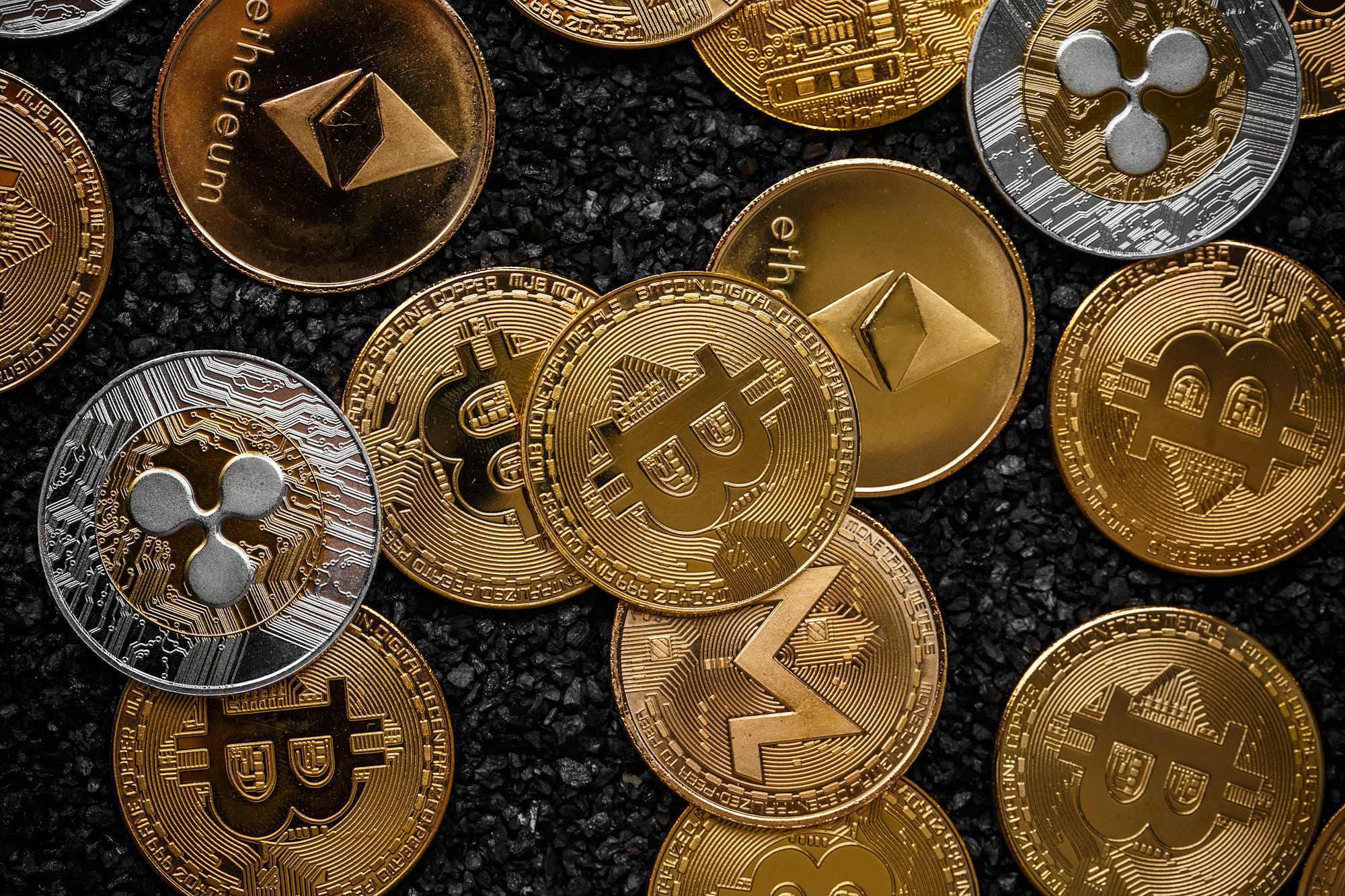
Bitcoin has emerged as a revolutionary digital currency that has captured the interest of investors, technologists, and the general public alike. Since its inception in 2009, Bitcoin has challenged traditional financial systems by offering a decentralized, peer-to-peer method of transferring value without intermediaries like banks. However, with its rising popularity, questions about the risks associated with investing or using Bitcoin have become increasingly important to address. Understanding these risks is essential for anyone considering entering the cryptocurrency space.
This article aims to provide a clear, balanced overview of Bitcoin’s risk profile. We will explore how Bitcoin works, the common risks investors face, market volatility, security concerns, regulatory issues, and how Bitcoin compares to traditional investments. By the end, readers should have a clearer perspective on whether Bitcoin’s risks align with their financial goals and risk tolerance.
Understanding Bitcoin and Its Basic Functionality
Bitcoin is a decentralized digital currency that operates on a technology called blockchain—a public ledger that records all transactions securely and transparently. Unlike traditional currencies issued by central banks, Bitcoin is created through a process called mining, where powerful computers solve complex mathematical problems to validate transactions and add new blocks to the blockchain. This decentralized nature means no single entity controls Bitcoin, making it resistant to censorship and centralized manipulation.
Users can send and receive bitcoins through digital wallets, which are software applications that store cryptographic keys. Transactions are irreversible once confirmed, and the total supply of Bitcoin is capped at 21 million coins, making it deflationary by design. This scarcity and decentralized control have contributed to Bitcoin’s appeal as a store of value and an alternative financial asset.
Common Risks Associated with Bitcoin Investments
Investing in Bitcoin carries several risks that potential investors should consider carefully. One of the primary concerns is the high price volatility, which can lead to significant gains but also steep losses in short periods. Additionally, Bitcoin’s relatively young history means it lacks the long-term track record that traditional assets have, making its future performance uncertain.
Other risks include technological vulnerabilities, such as software bugs or flaws in wallet security, and the risk of losing access to one’s private keys, which would mean losing the bitcoins permanently. Moreover, the lack of consumer protections compared to regulated financial products means investors often bear full responsibility for their holdings.
Market Volatility and Price Fluctuations Explained
Bitcoin’s price is known for its dramatic swings, sometimes moving by double-digit percentages within a single day. Several factors contribute to this volatility, including speculative trading, market sentiment, media coverage, and macroeconomic trends. Because Bitcoin is traded 24/7 globally, price movements can be more rapid and less predictable than traditional stock markets.
Key drivers of volatility include:
- Speculative bubbles and bursts fueled by hype or fear.
- Liquidity levels, which can amplify price swings during periods of low trading volume.
- External events such as regulatory announcements or technological upgrades.
- Market manipulation by large holders, often called “whales.”
Investors need to be prepared for these fluctuations and understand that Bitcoin’s price can be highly unpredictable in the short term.
Security Concerns and Potential Cyber Threats
While Bitcoin’s underlying blockchain technology is considered secure, the broader ecosystem is vulnerable to various cyber threats. Hacks targeting cryptocurrency exchanges, wallet providers, or individual users have led to substantial losses over the years. Phishing attacks, malware, and social engineering are common tactics used to steal private keys or credentials.
To mitigate these risks, users should:
- Use hardware wallets or cold storage for long-term holdings.
- Enable two-factor authentication on accounts.
- Avoid sharing private keys or sensitive information online.
- Choose reputable exchanges with strong security protocols.
Despite these precautions, the irreversible nature of Bitcoin transactions means security breaches can result in permanent loss, making personal vigilance critical.
Regulatory Challenges Impacting Bitcoin Stability
Bitcoin’s regulatory environment remains fragmented and evolving worldwide. Different countries have adopted varying approaches, ranging from embracing Bitcoin as a legal asset to outright bans on its use or trading. Regulatory uncertainty can create market instability and affect investor confidence.
Some regulatory challenges include:
- Potential restrictions on exchanges and trading platforms.
- Taxation policies that may complicate reporting and compliance.
- Anti-money laundering (AML) and know-your-customer (KYC) requirements that impact user privacy.
- Legal ambiguities regarding Bitcoin’s classification as property, currency, or security.
These factors can influence Bitcoin’s accessibility and price, making it important for investors to stay informed about regulatory developments in their jurisdictions.
Comparing Bitcoin Risks to Traditional Investments
Compared to traditional investments like stocks, bonds, or real estate, Bitcoin carries a distinct set of risks and rewards. Traditional assets generally have longer histories, more regulatory oversight, and established market infrastructure, which can provide greater stability and investor protections. Conversely, Bitcoin offers high growth potential but with greater uncertainty and volatility.
Some key differences include:
- Liquidity: Bitcoin is highly liquid but can be subject to sudden market swings.
- Transparency: Blockchain offers transparency in transactions, unlike some traditional assets.
- Regulation: Traditional markets are heavily regulated; Bitcoin’s regulatory landscape is still in flux.
- Security: Custodial risks differ; traditional assets often have insurance protections, while Bitcoin holdings rely on individual security measures.
Investors should weigh these factors based on their risk tolerance, investment horizon, and financial goals.
Frequently Asked Questions About Bitcoin Risks
Q1: Is Bitcoin a safe investment?
A1: Bitcoin carries significant risks, including volatility and security concerns. It may be suitable for investors who understand these risks and can tolerate potential losses.
Q2: Can I lose all my money investing in Bitcoin?
A2: Yes, due to price volatility, hacking, or loss of private keys, it is possible to lose the entire investment.
Q3: How does Bitcoin’s volatility compare to stocks?
A3: Bitcoin is generally much more volatile than stocks, with larger and more frequent price swings.
Q4: Are Bitcoin transactions reversible if there is fraud?
A4: No, Bitcoin transactions are irreversible, so once confirmed, they cannot be undone.
Q5: How do regulations affect Bitcoin’s risk?
A5: Regulatory changes can impact market access, price stability, and legal status, adding an additional layer of uncertainty.
Conclusion: Assessing Whether Bitcoin Is Risky for You
Bitcoin is inherently risky due to its volatility, security vulnerabilities, and regulatory uncertainties. However, these risks come with the potential for high rewards and innovation in the financial sector. Whether Bitcoin is suitable depends on individual circumstances, including risk tolerance, investment goals, and understanding of the technology.
Prospective investors should conduct thorough research, consider diversifying their portfolios, and only allocate funds they can afford to lose. Staying informed about market trends and regulatory updates is also crucial. Ultimately, Bitcoin’s risk profile may be appropriate for some but too uncertain for others, making personal assessment essential.
Bitcoin represents a groundbreaking development in digital finance, but it is not without significant risks. By understanding these risks in detail—from market volatility to security threats and regulatory challenges—investors can make more informed decisions. Whether Bitcoin is “risky” depends largely on one’s perspective, knowledge, and financial situation. Careful evaluation and prudent strategies can help navigate the complexities of Bitcoin investment in today’s dynamic landscape.