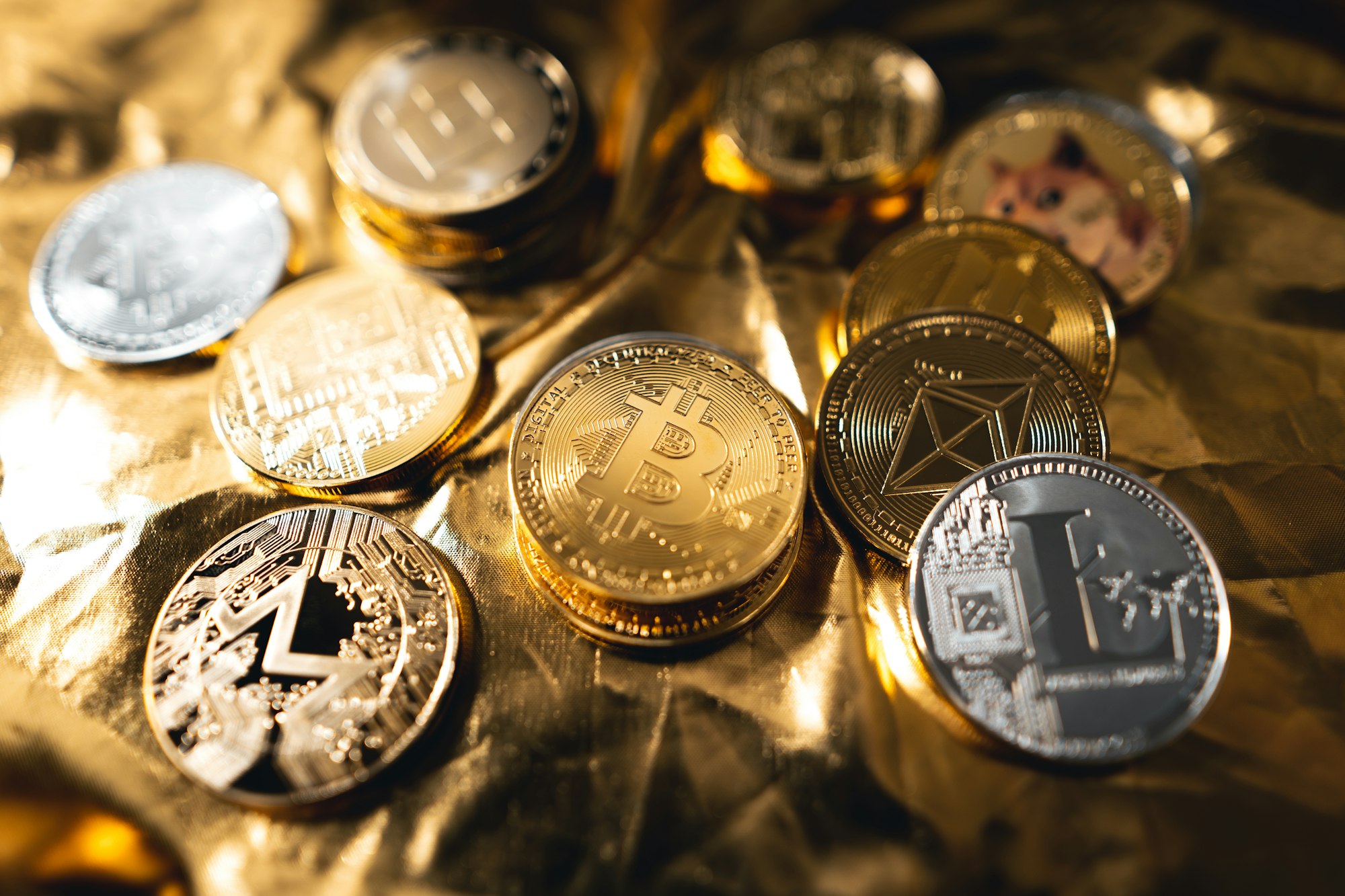
Bitcoin has captured the imagination of investors and financial experts alike since its inception in 2009. As the first decentralized digital currency, it has challenged traditional notions of money and investment, sparking both enthusiasm and skepticism. With its volatile price swings and growing mainstream adoption, many wonder whether Bitcoin represents a viable investment opportunity or a risky gamble. This article explores the key aspects of investing in Bitcoin to help you make an informed decision.
From understanding what Bitcoin is and how it works, to weighing its advantages and risks, we will examine the cryptocurrency in comparison to conventional investment options. Additionally, we will consider expert opinions on Bitcoin’s future and answer common questions to provide a comprehensive overview of whether Bitcoin is a good investment choice.
Understanding Bitcoin and Its Investment Potential
Bitcoin is a decentralized digital currency that operates on a peer-to-peer network without a central authority. It uses blockchain technology to secure transactions and control the creation of new units. Unlike fiat currencies, Bitcoin is not regulated by any government or financial institution, which appeals to investors seeking an alternative asset class. Its limited supply of 21 million coins introduces scarcity, a feature that has driven much of its investment appeal.
The investment potential of Bitcoin stems from its unique characteristics as a store of value and a speculative asset. Over the past decade, Bitcoin’s price has experienced rapid growth, attracting both retail and institutional investors. However, its volatility and relatively short history mean that predicting its long-term behavior remains challenging. Understanding the technology, market dynamics, and broader economic factors is crucial before considering Bitcoin as part of an investment portfolio.
Key Advantages of Investing in Bitcoin Today
Investing in Bitcoin offers several notable advantages that have contributed to its growing popularity:
- Decentralization: Bitcoin operates independently of central banks, reducing exposure to government policies and inflation risks.
- Limited Supply: With a capped supply of 21 million coins, Bitcoin’s scarcity can drive demand and potential price appreciation.
- Liquidity: Bitcoin can be bought, sold, or traded 24/7 on numerous exchanges worldwide, providing high liquidity compared to many traditional assets.
- Portfolio Diversification: Bitcoin’s low correlation with traditional assets like stocks and bonds can help diversify investment portfolios and reduce overall risk.
Additionally, Bitcoin’s growing acceptance by businesses and institutional investors enhances its credibility and use cases. This increasing adoption may support its value proposition as a digital store of value and medium of exchange.
Common Risks and Challenges of Bitcoin Investment
Despite its potential, Bitcoin investment comes with several risks and challenges that investors should carefully consider:
- Price Volatility: Bitcoin’s price is highly volatile, with frequent and sometimes dramatic swings that can lead to significant gains or losses.
- Regulatory Uncertainty: Governments around the world are still developing policies regarding cryptocurrencies, which may affect Bitcoin’s legality and market access.
- Security Risks: While the Bitcoin network is secure, investors face risks from hacking, scams, and the loss of private keys that control access to their holdings.
- Lack of Consumer Protections: Unlike traditional financial products, Bitcoin investments typically lack regulatory safeguards or insurance protections.
Moreover, market sentiment and external factors such as technological changes or macroeconomic events can significantly impact Bitcoin’s price. These uncertainties make it essential to approach Bitcoin investment with caution and thorough research.
Comparing Bitcoin to Traditional Investment Options
Bitcoin differs markedly from traditional investments such as stocks, bonds, and real estate, offering unique benefits and drawbacks. Unlike stocks, Bitcoin does not represent ownership in a company or generate dividends; it is primarily a speculative asset. Compared to bonds, Bitcoin does not provide fixed income or guaranteed returns. Real estate investments offer physical assets with tangible value, whereas Bitcoin exists solely in digital form.
However, Bitcoin’s potential for high returns and portfolio diversification sets it apart. Traditional assets typically have longer track records and regulatory oversight, providing more stability and investor protection. Investors must weigh Bitcoin’s innovative features against the established reliability of conventional investments to determine the right balance for their goals and risk tolerance.
Factors to Consider Before Investing in Bitcoin
Before investing in Bitcoin, several critical factors should be evaluated to make an informed decision:
- Investment Horizon: Are you looking for short-term gains or a long-term store of value? Bitcoin’s volatility may suit some timeframes better than others.
- Risk Tolerance: Assess your ability to withstand significant price fluctuations and potential losses.
- Knowledge and Research: Understanding how Bitcoin works, its market drivers, and security best practices is essential.
- Regulatory Environment: Stay informed about evolving laws and regulations affecting cryptocurrency in your jurisdiction.
- Security Measures: Use reputable wallets and exchanges, and implement strong security protocols to protect your investment.
Taking these factors into account can help mitigate risks and align your Bitcoin investment with your overall financial strategy.
Future Outlook: What Experts Say About Bitcoin Growth
Experts hold varied opinions on Bitcoin’s future, reflecting its complex and evolving nature. Some analysts predict continued growth driven by increasing institutional adoption, technological advancements, and its potential as “digital gold.” They argue that Bitcoin could become a mainstream asset class and hedge against inflation and economic instability.
Conversely, skeptics caution about regulatory crackdowns, competition from other cryptocurrencies, and the possibility of technological vulnerabilities. They emphasize Bitcoin’s speculative nature and warn investors not to rely solely on optimistic projections. Overall, the consensus is that while Bitcoin offers exciting growth potential, it remains a high-risk investment requiring careful consideration.
Frequently Asked Questions About Bitcoin Investment
Q1: Is Bitcoin a safe investment?
A1: Bitcoin carries significant risks due to its volatility, regulatory uncertainty, and security concerns. It is important to invest only what you can afford to lose and use secure platforms.
Q2: How can I buy Bitcoin?
A2: Bitcoin can be purchased on cryptocurrency exchanges using fiat currency or other cryptocurrencies. Popular exchanges include Coinbase, Binance, and Kraken.
Q3: Should I invest all my money in Bitcoin?
A3: Diversification is key to managing risk. It is generally advisable to allocate only a portion of your portfolio to Bitcoin rather than investing all your funds.
Q4: What is the best way to store Bitcoin?
A4: Bitcoin can be stored in digital wallets, including hardware wallets (cold storage) for enhanced security, or software wallets connected to the internet (hot wallets).
Q5: Can Bitcoin be considered a hedge against inflation?
A5: Some investors view Bitcoin as a hedge against inflation due to its limited supply, but its price volatility complicates this role compared to traditional hedges like gold.
Conclusion: Is Bitcoin a Good Investment Choice?
Bitcoin presents a unique investment opportunity characterized by high potential rewards and equally significant risks. Its decentralized nature, scarcity, and growing adoption make it an attractive asset for those seeking diversification and exposure to emerging financial technologies. However, its price volatility, regulatory uncertainties, and security challenges require investors to exercise caution and conduct thorough research.
Ultimately, whether Bitcoin is a good investment depends on individual financial goals, risk tolerance, and investment horizon. For some, it may serve as a valuable component of a diversified portfolio, while for others, the risks may outweigh the benefits. As with any investment, informed decision-making and prudent risk management are essential when considering Bitcoin.
Bitcoin’s rise has undeniably reshaped the investment landscape, offering both promise and pitfalls. By understanding its fundamentals, advantages, risks, and expert perspectives, investors can better navigate the complexities of this digital asset. As the cryptocurrency ecosystem continues to evolve, staying informed and adaptable will be key to harnessing Bitcoin’s potential while safeguarding your financial well-being.