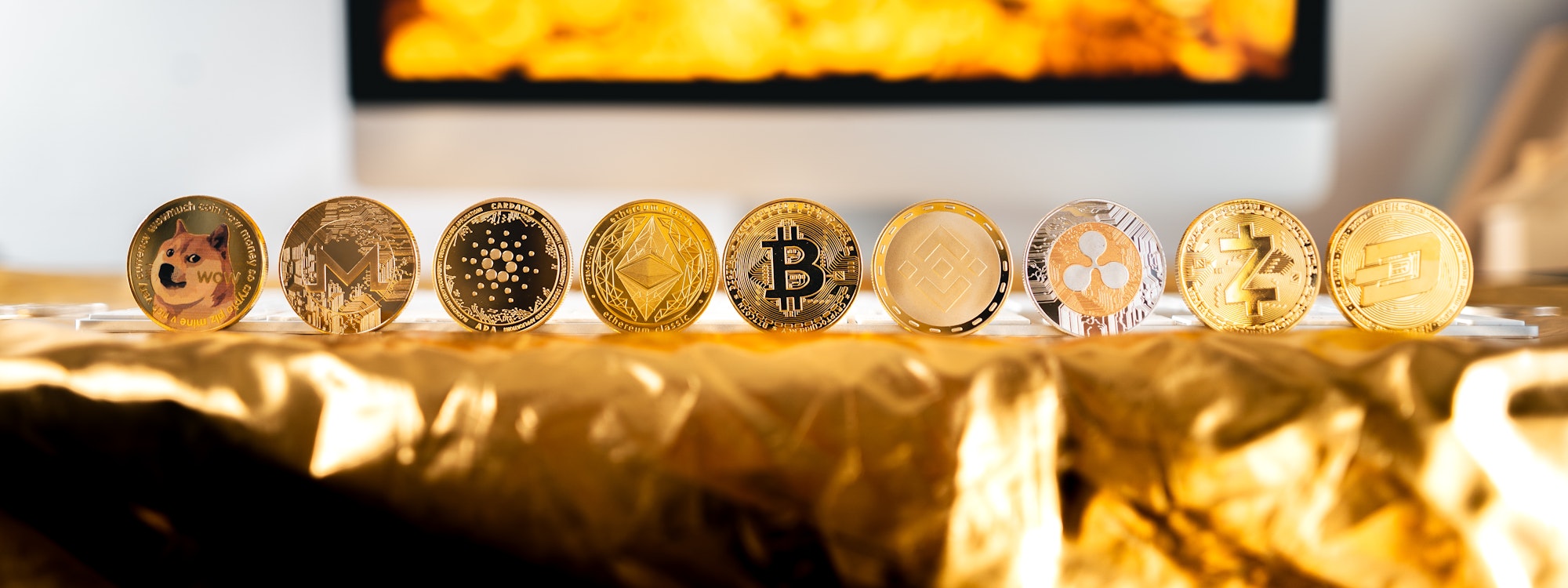
Bitcoin has emerged as one of the most popular cryptocurrencies, attracting investors and enthusiasts worldwide. Its decentralized nature, potential for high returns, and innovative technology have made it a focal point in the digital finance space. However, buying Bitcoin can seem daunting for beginners due to its technical aspects and the volatility of the market. This article aims to provide a comprehensive guide on how to buy Bitcoin safely and wisely, covering everything from understanding Bitcoin basics to managing your investment effectively.
Whether you are a first-time buyer or looking to expand your cryptocurrency portfolio, this guide will walk you through the essential steps and considerations. By understanding the market, selecting the right platforms, securing your digital assets, and staying informed about market trends, you can make well-informed decisions and reduce risks associated with Bitcoin investment. Let’s dive into the process of buying Bitcoin in a clear, step-by-step manner.
Understanding Bitcoin and Its Market Basics
Bitcoin is a decentralized digital currency that operates without a central authority or intermediary, relying on blockchain technology to verify transactions. Unlike traditional currencies issued by governments, Bitcoin is limited in supply—only 21 million coins will ever exist. This scarcity, coupled with growing demand, has contributed to its value appreciation over time. Its decentralized nature also means that transactions can be conducted peer-to-peer, often with lower fees and increased privacy.
The Bitcoin market is highly volatile, influenced by factors such as regulatory news, technological developments, and macroeconomic trends. Prices can fluctuate dramatically within short periods, which can present both opportunities and risks for investors. Understanding market basics, including supply and demand dynamics, market capitalization, and liquidity, is crucial before making any purchase decisions. Additionally, familiarity with key terms like “wallet,” “exchange,” and “blockchain” will help you navigate the buying process more confidently.
Choosing a Reliable Bitcoin Exchange Platform
Selecting a trustworthy Bitcoin exchange is a critical step in purchasing your first Bitcoin. Exchanges act as intermediaries where buyers and sellers trade cryptocurrencies. When choosing an exchange, consider factors such as security measures, user interface, supported payment methods, fees, and customer support. Popular and reputable exchanges often have robust security protocols, including two-factor authentication (2FA) and cold storage for users’ funds.
Some important criteria to evaluate include:
- Regulation and Licensing: Ensure the exchange complies with local regulations and holds necessary licenses.
- Liquidity: Higher liquidity means you can buy and sell Bitcoin quickly without significant price slippage.
- Reputation: Check user reviews and industry ratings to assess reliability.
- Supported Currencies: Confirm the exchange supports your preferred fiat currency and Bitcoin trading pairs.
- Fee Structure: Understand deposit, trading, and withdrawal fees to avoid surprises.
Setting Up a Secure Digital Wallet for Bitcoin
A digital wallet is an essential tool for storing and managing your Bitcoin safely. Unlike traditional wallets, Bitcoin wallets store cryptographic keys that allow you to access and transfer your coins on the blockchain. There are several types of wallets, including software wallets (desktop, mobile), hardware wallets (physical devices), and paper wallets (offline printouts). Each offers different levels of convenience and security.
For beginners, starting with a reputable software wallet is often easiest, but for larger amounts of Bitcoin, hardware wallets are recommended due to their enhanced protection against hacking and theft. Key security practices include:
- Backing up your wallet’s private keys or seed phrase securely.
- Avoiding sharing your private keys with anyone.
- Using wallets that offer multi-signature support for added security.
- Keeping your wallet software updated regularly.
Step-by-Step Guide to Buying Bitcoin Safely
Buying Bitcoin involves several clear steps to ensure your transaction is secure and successful:
- Choose a reliable exchange platform and create an account.
- Complete the required identity verification (KYC) process.
- Deposit funds using your preferred payment method (bank transfer, credit card, etc.).
- Place a buy order for Bitcoin, specifying the amount you want to purchase.
- Review the transaction details carefully before confirming the purchase.
- Transfer your Bitcoin from the exchange to your personal wallet for better security.
Always double-check wallet addresses when transferring Bitcoin to avoid irreversible mistakes. Avoid sharing sensitive information and beware of phishing attempts. Using two-factor authentication (2FA) on your exchange account adds an extra layer of security.
Important Tips for Managing Your Bitcoin Investment
Managing your Bitcoin investment wisely can help mitigate risks and maximize potential returns. Since Bitcoin prices are volatile, it’s important to adopt strategies that suit your financial goals and risk tolerance. Diversifying your investment portfolio by including other assets can reduce exposure to Bitcoin market swings.
Consider the following tips when managing your Bitcoin holdings:
- Keep your private keys and backup phrases secure and confidential.
- Regularly monitor your wallet and exchange accounts for any suspicious activity.
- Avoid investing more than you can afford to lose.
- Use dollar-cost averaging (buying small amounts regularly) to reduce the impact of volatility.
- Stay informed about regulatory changes that could affect Bitcoin’s legality or taxation in your jurisdiction.
Monitoring Bitcoin Prices and Market Trends Regularly
Keeping an eye on Bitcoin’s price movements and market trends is essential for making timely decisions. Various websites and apps provide real-time price updates, historical charts, and market sentiment analysis. Understanding technical indicators like moving averages, volume, and relative strength index (RSI) can help you identify potential entry or exit points.
Additionally, pay attention to broader news impacting the crypto space, such as government policies, technological upgrades (e.g., Bitcoin network improvements), and macroeconomic factors like inflation rates. Joining communities and following reputable analysts can also provide valuable insights. Regular monitoring allows you to react appropriately to market changes and protect your investment.
Frequently Asked Questions About Buying Bitcoin
Q1: Is it safe to buy Bitcoin?
A1: Buying Bitcoin is generally safe if you use reputable exchanges and secure wallets. Always follow best security practices, such as enabling two-factor authentication and storing your coins in private wallets.
Q2: How much Bitcoin should I buy initially?
A2: There is no fixed amount; it depends on your budget and risk tolerance. Many experts recommend starting with a small amount and gradually increasing your investment as you become more comfortable.
Q3: Can I buy Bitcoin with a credit card?
A3: Yes, many exchanges accept credit card payments, though fees might be higher compared to bank transfers. Verify the payment methods supported by your chosen exchange.
Q4: Do I have to pay taxes on Bitcoin purchases?
A4: Tax regulations vary by country. In many places, Bitcoin transactions are taxable events, so consult local laws or a tax professional to understand your obligations.
Q5: How long does it take to receive Bitcoin after purchase?
A5: The time varies based on the exchange and network congestion. Typically, Bitcoin is credited to your account within minutes to a few hours after purchase confirmation.
Conclusion: Making Informed Decisions When Buying Bitcoin
Buying Bitcoin requires careful consideration and a clear understanding of the market and security measures. By educating yourself on Bitcoin’s fundamentals, selecting trustworthy platforms, and securely managing your digital assets, you can minimize risks and enhance your investment experience. Patience and continuous learning are key, given the dynamic nature of the cryptocurrency market.
Remember that Bitcoin, like any investment, carries risks and is subject to market fluctuations. It is important to invest responsibly and stay updated with market trends and regulatory developments. With informed decisions and prudent strategies, you can confidently navigate the process of buying Bitcoin and potentially benefit from its growth.