
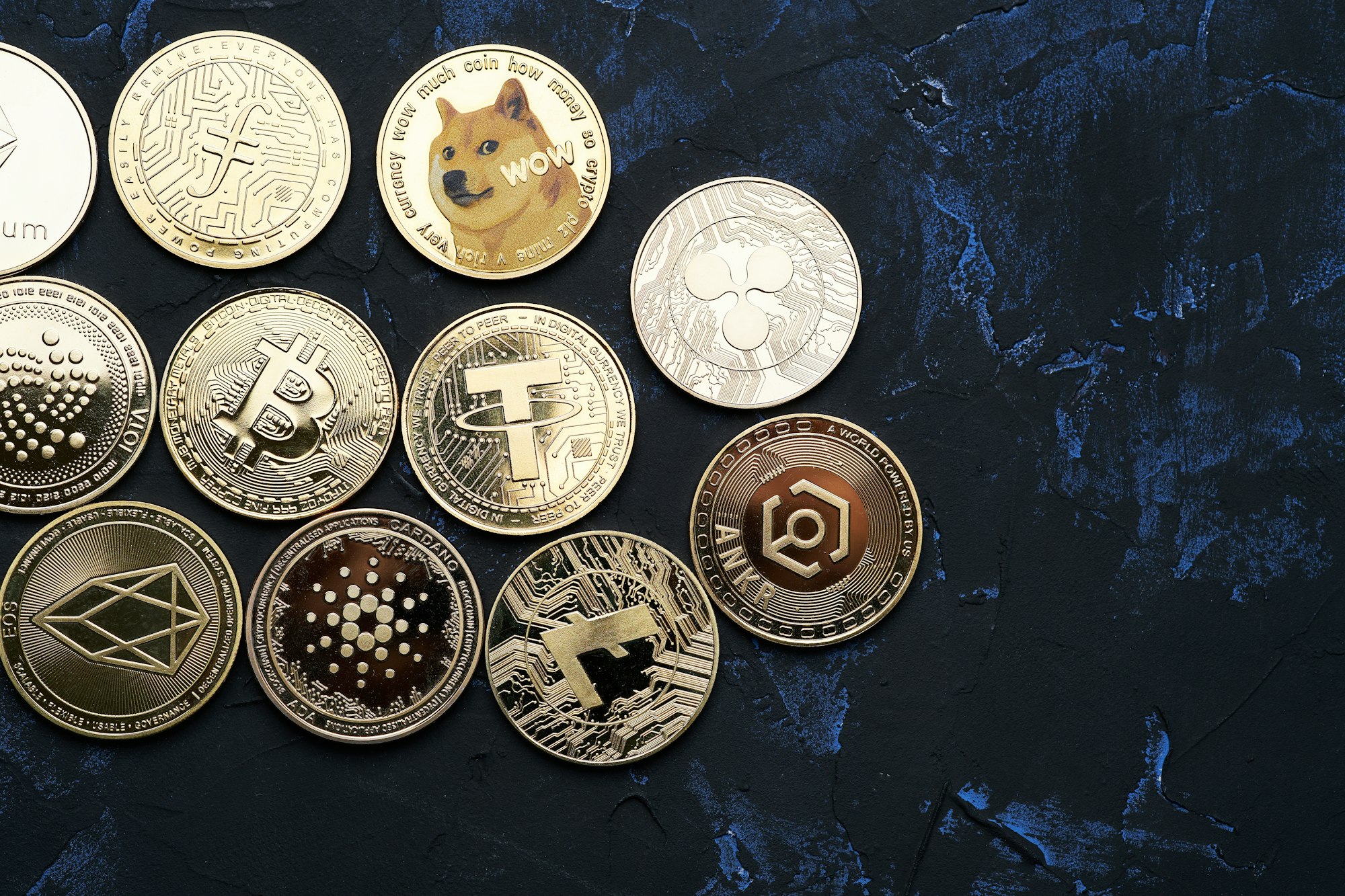
In the rapidly evolving world of cryptocurrency, securing your digital assets is paramount. Amid increasing cyber threats and hacking incidents, hardware wallets have emerged as one of the most reliable tools for safeguarding cryptocurrencies. This article explores what hardware wallets are, how they work, and whether they are the right choice for you.
Understanding the fundamentals of hardware wallets can help both beginners and experienced users make informed decisions about their crypto security. From their core functions to setup procedures, this guide provides a comprehensive overview to enhance your understanding of hardware wallets.
Understanding the Basics of a Hardware Wallet
A hardware wallet is a physical device designed to securely store the private keys needed to access and manage your cryptocurrency holdings. Unlike software wallets that operate on computers or mobile devices, hardware wallets keep your private keys offline, significantly reducing the risk of hacking or malware attacks. This offline storage is often referred to as “cold storage,” which isolates your keys from internet-connected devices.
These devices typically resemble small USB drives or specialized gadgets with screens and buttons. They interact with your computer or smartphone only to sign transactions, ensuring that your private keys never leave the device. This method makes hardware wallets one of the safest options for long-term cryptocurrency storage.
How Hardware Wallets Secure Your Cryptocurrency
Hardware wallets enhance security primarily by keeping private keys isolated from online environments. When you initiate a transaction, the hardware wallet signs it internally and sends only the signed transaction data to the connected device, which then broadcasts it to the blockchain network. This process ensures that your keys are never exposed to potentially vulnerable internet environments.
Additionally, hardware wallets often include security features such as PIN protection, passphrase options, and recovery seeds. The recovery seed—a sequence of words generated during setup—allows you to restore your wallet if the device is lost or damaged. These layers of protection help prevent unauthorized access, even if the physical device falls into the wrong hands.
Comparing Hardware Wallets to Other Wallet Types
When it comes to cryptocurrency storage, users mainly choose between hardware wallets, software wallets, and paper wallets. Software wallets are applications installed on computers or smartphones, offering convenience but increased exposure to malware and hacking. Paper wallets involve printing private keys on physical paper, providing offline security but lacking usability and durability.
Hardware wallets strike a balance by combining strong security with usability. Unlike paper wallets, they support easy transaction signing and interaction with multiple cryptocurrencies. Compared to software wallets, they offer far greater protection against cyberattacks. However, they require an upfront investment and some technical understanding to operate safely.
Setting Up and Using a Hardware Wallet Safely
Setting up a hardware wallet involves initializing the device, generating a recovery seed, and connecting it to your computer or smartphone. It is crucial to perform these steps in a secure environment, avoiding public Wi-Fi or shared devices. When generating the recovery seed, write it down carefully and store it in a safe, offline location; never store it digitally or share it with anyone.
Using the hardware wallet safely also means regularly updating its firmware to patch security vulnerabilities and verifying transaction details on the device’s screen before confirming. Always purchase hardware wallets directly from manufacturers or authorized resellers to prevent tampering risks. Following these practices helps maintain the integrity and security of your crypto assets.
Common Brands and Models of Hardware Wallets
Several reputable brands dominate the hardware wallet market, each offering distinct features and compatibility. Ledger and Trezor are two of the most popular manufacturers, with Ledger Nano S and Nano X, and Trezor One and Model T being their flagship models. These devices support a wide range of cryptocurrencies and have user-friendly interfaces.
Other notable brands include KeepKey, which offers a large screen for easy transaction verification, and Coldcard, favored by Bitcoin enthusiasts for its advanced security features. When choosing a hardware wallet, consider factors such as supported coins, ease of use, security features, and price to find the best fit for your needs.
Advantages and Limitations of Hardware Wallets
Hardware wallets offer several advantages that make them highly attractive for crypto security:
- Enhanced Security: Private keys remain offline, minimizing hacking risks.
- User Control: You maintain full ownership of your private keys.
- Multi-Currency Support: Many models support numerous cryptocurrencies.
- Portability: Compact and easy to carry safely.
However, there are some limitations to consider:
- Cost: Devices typically range from $50 to $200, which may be a barrier for some.
- Learning Curve: Initial setup and use require basic technical knowledge.
- Physical Vulnerability: Loss, theft, or damage of the device can result in access issues if recovery seeds are not secured.
- Limited Transaction Speed: Signing transactions via hardware wallets can be slower compared to software wallets.
Frequently Asked Questions About Hardware Wallets
Q1: Can hardware wallets be hacked?
While hardware wallets significantly reduce hacking risks, no system is entirely immune. Physical tampering or supply chain attacks are potential threats, but buying from trusted sources and following security best practices mitigate these risks.
Q2: What happens if I lose my hardware wallet?
If you lose your device, you can restore access to your funds using the recovery seed phrase on a new compatible hardware wallet or software wallet. Without the recovery seed, your funds are likely unrecoverable.
Q3: Are hardware wallets compatible with all cryptocurrencies?
No, compatibility varies by device. Most popular hardware wallets support a wide range of coins, but it’s important to verify whether your specific cryptocurrencies are supported before purchasing.
Q4: Do hardware wallets require internet connectivity?
Hardware wallets do not require internet connectivity to store private keys. They connect to the internet only through a host device (computer or smartphone) to broadcast signed transactions.
Q5: Can I use a hardware wallet on multiple devices?
Yes, hardware wallets can be connected to different computers or smartphones, as long as you have your device and PIN. This flexibility allows you to manage your crypto assets from various locations securely.
Conclusion: Is a Hardware Wallet Right for You?
Hardware wallets provide a robust solution for securely managing cryptocurrencies, especially for users holding significant amounts or planning long-term storage. Their offline storage of private keys, combined with strong security measures, offers peace of mind against cyber threats. However, they require an upfront investment and some technical understanding, which may not suit casual or small-scale users.
If security is your top priority and you are comfortable with the setup process, a hardware wallet is an excellent choice to protect your digital assets. Conversely, if you prioritize convenience or are dealing with small amounts, software wallets may suffice. Ultimately, assessing your security needs, technical comfort, and investment size will help determine if a hardware wallet is the right fit for your cryptocurrency journey.
As cryptocurrencies become more mainstream, understanding how to protect your investments is essential. Hardware wallets stand out as one of the safest options available, combining strong security with practical usability. By carefully weighing their advantages and limitations, you can make an informed decision that best safeguards your digital wealth in the evolving crypto landscape.